Step-by-Step Build: Soundscaping with Plants
Step-by-Step Build: Soundscaping with Plants is your ultimate guide to transforming your home or small space into a peaceful oasis—using the power of greenery. In this guide, we’ll walk through creating living sound barriers with plants to muffle noise, enhance privacy, and bring beauty indoors. If you’ve ever wished for a quieter home filled with the soothing presence of nature, you’re in the right place.
We’ll break down everything you need: from selecting the right plants and materials to arranging them for maximum sound absorption. You’ll get diagrams, a materials checklist, troubleshooting advice, and plant care tips so your soundscape stays lush and effective for years. Whether you’re an urban dweller with noisy neighbors or just want a more serene space, this guide makes it simple and fun.
What Is Soundscaping with Plants?
Soundscaping with plants means using living greenery to reduce unwanted noise and create a more peaceful space. Plants naturally absorb, scatter, and muffle sounds, making them a smart choice for anyone wanting to dampen echoes or block outside noise. This isn’t just about sticking a pot in the corner—when arranged thoughtfully, plants can act like living walls or barriers that soak up the sounds of city traffic, chatty neighbors, or even loud appliances.
The science is simple: plant leaves, stems, and even soil can absorb sound waves. The more surface area a plant has, the better it is at trapping sound. Some plants, like rubber trees and fiddle leaf figs, are especially good at this because their large, thick leaves are like mini sound sponges. When grouped together, plants can create a dense “green buffer” that helps you feel calmer and more focused at home or work.
Why Plants Are Perfect for Soundscaping
Plants aren’t just pretty—they’re nature’s own sound absorbers. Here’s why they work so well for soundscaping:
- Surface Area: Leaves and stems provide lots of surfaces for sound waves to bounce off or get trapped in.
- Porous Soil: Potting soil absorbs sound energy, especially in larger, deeper containers.
- Arrangement: When grouped or layered, plants break up sound paths, reducing echoes and background noise.
- Air Purification: Many soundscaping plants also clean the air, making them a double win for your home.
- Natural Humidity: Plants release moisture, which can help dampen sound even further.
Unlike foam panels or heavy curtains, living plants bring life and health benefits to any space. Plus, you can always rearrange them or swap them out as your needs or tastes change. Studies show having plants nearby can even boost your mood and productivity—so you get a quieter space and a happier you!1
Supplies and Materials Checklist
Before you dive into your Step-by-Step Build: Soundscaping with Plants, gather the following:
- Plants: Choose a mix of large-leafed and bushy types (see our suggestions below).
- Pots & Containers: Go for deep, wide planters to maximize soil volume and sound absorption.
- Quality Potting Mix: Use indoor-specific, well-draining soil.
- Plant Stands or Shelves: For multi-level arrangement and maximizing surface area.
- Watering Can & Mister: For regular care and humidity boosting.
- Fertilizer: A balanced, slow-release option works best.
- Optional: Trellises, moss poles, or hanging baskets for vertical sound barriers.
- Diagrams & Measuring Tape: For planning your layout (see diagrams below).

Step-by-Step Build: Soundscaping with Plants
Ready to start your Step-by-Step Build: Soundscaping with Plants? Follow these simple steps for a lush, peaceful indoor retreat.
Step 1: Plan Your Space
Begin by identifying where you need sound control the most. Is it a home office, living room, or bedroom? Use a measuring tape to note the dimensions of your space and pinpoint the noisiest spots—like walls shared with neighbors or windows facing busy streets.
- Sketch a simple floor plan, marking where you’ll place your plant sound barriers.
- Consider traffic flow—make sure you won’t block doorways or walkways.
- Look for spots with good light (see our data table below for plant light needs).

Step 2: Pick the Right Plants
Select plants based on their sound-absorbing power, size, and care needs. Here are some top picks for soundscaping:
- Rubber Plant (Ficus elastica): Big, thick leaves soak up sound and thrive indoors.
- Fiddle Leaf Fig (Ficus lyrata): Large, broad foliage does double duty for sound and style.
- Areca Palm (Dypsis lutescens): Feathery, bushy fronds are great for scattering sound.
- Boston Fern (Nephrolepis exaltata): Dense, fine leaves create a fluffy buffer for noise.
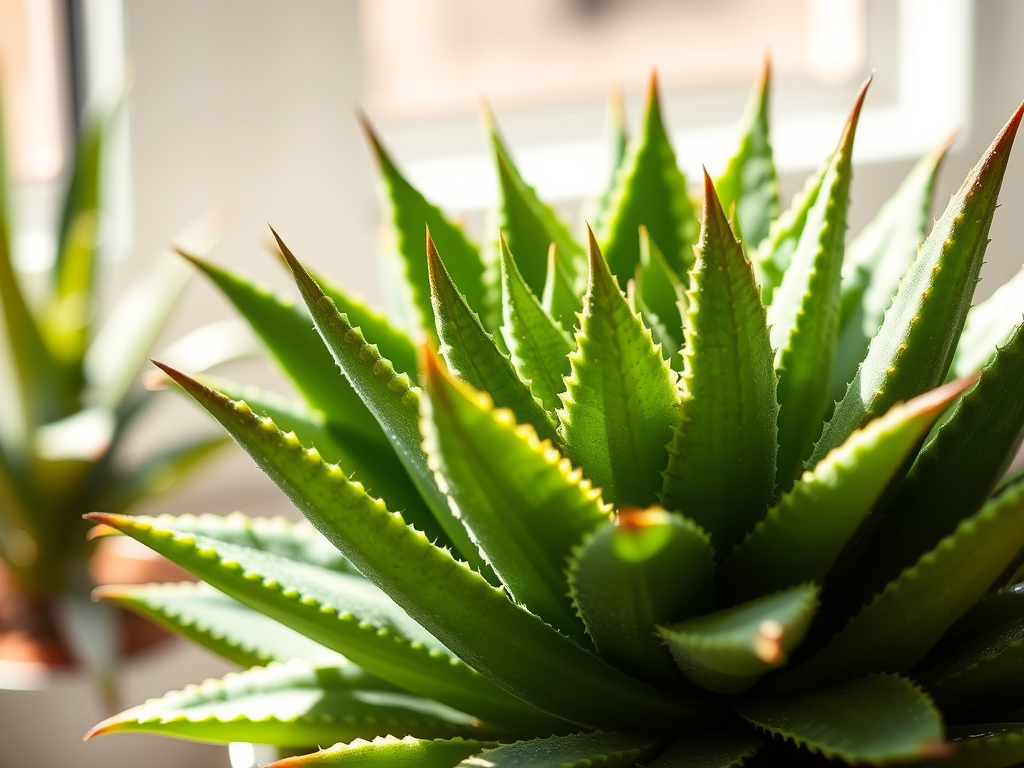
- Snake Plant (Sansevieria trifasciata): Upright, thick leaves form tight groupings that deflect sound.
- Monstera (Monstera deliciosa): Large perforated leaves help break up noise paths.
- Pothos (Epipremnum aureum): Trailing vines add layers and are easy to care for.
Mix and match! Combine tall and bushy plants for the best results. If you have pets or kids, double-check that your chosen plants are non-toxic.

Step 3: Gather Materials
- Arrange your chosen plants, pots, potting mix, and tools in your workspace.
- Set up plant stands or shelves if you’re using vertical layers.
- Have your diagrams and measuring tape at hand for reference.
Now’s the time to think about style, too—choose containers that match your decor and consider using decorative stones or moss to top off the soil.
Step 4: Plant and Arrange
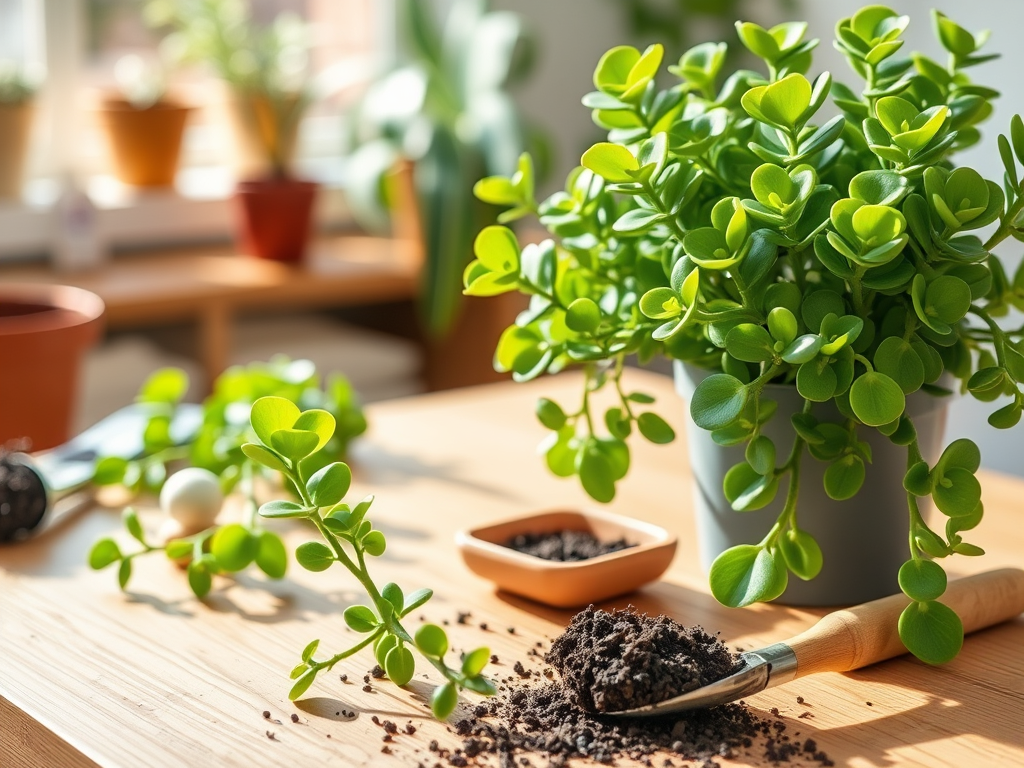
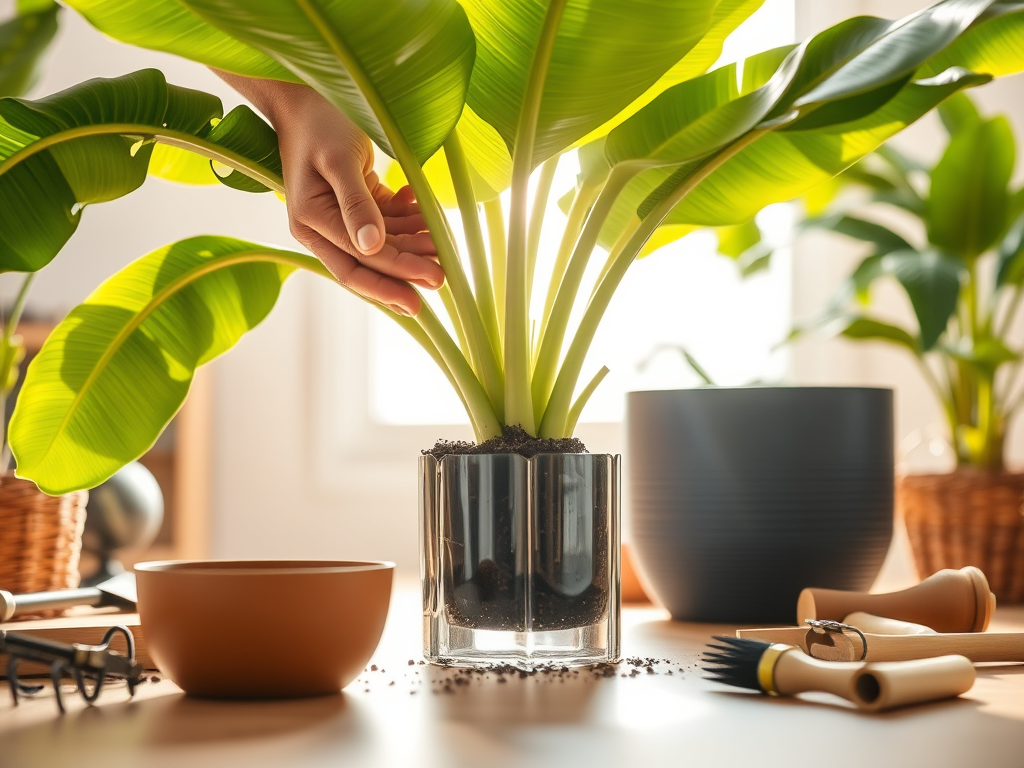
- Fill each planter with potting mix and gently transplant your plants.
- Water thoroughly, letting excess drain away.
- Arrange plants in layers, with the tallest at the back and shorter, bushier ones in front.
- For windows or corners, cluster several plants together for a dense buffer.
- If using shelves, stagger plant heights to create a “green wall.”
- Add trellises or moss poles for climbing plants to increase vertical coverage.

Walk around your space and listen—notice how the echo and background noise change with your new green barriers!
Step 5: Maintain Your Soundscape
- Check soil moisture weekly and water as needed (see care tips below).
- Dust leaves monthly to keep them healthy and effective at absorbing sound.
- Fertilize every few months with a balanced indoor plant food.
- Rotate plants occasionally for even growth and sound coverage.
- Prune dead or yellow leaves to keep your soundscape lush and tidy.
- Monitor for pests or diseases—catching issues early keeps your plants (and sound barrier) strong.
With a little regular care, your Step-by-Step Build: Soundscaping with Plants will thrive for years, providing peace and beauty every day.
Care Tips
- Water consistently, letting soil dry slightly between waterings for most soundscaping plants.
- Wipe leaves monthly to maximize both sound absorption and photosynthesis.
- Fertilize every 2-3 months with a balanced, slow-release product.
- Group plants for higher humidity and better sound absorption.
- Rotate planters every few weeks for balanced light and growth.
- Check for pests and trim dead leaves to keep your soundscape healthy.
- Repot annually to refresh soil and maintain strong root systems.
Troubleshooting Common Issues
Plants Drooping or Wilting
This often means overwatering or underwatering. Check the soil—if it’s soggy, ease off on watering. If it’s bone dry, give your plants a good soak.
Yellow or Brown Leaves
This could be from too much direct sunlight or inconsistent watering. Move plants a bit further from windows or adjust your watering routine.
Mold or Fungus in Soil
Improve airflow by spacing plants out slightly. Remove any surface mold and cut back on watering until the soil dries out.
Pest Problems
If you spot tiny bugs or sticky leaves, isolate the plant and treat with insecticidal soap. Regular leaf cleaning helps prevent infestations.
Sound Not Absorbed Enough
Try adding more plants, using larger pots, or rearranging for denser coverage. Remember: the more leaves and soil, the better the sound dampening!
Plant Soundscape Data Table
| Plant | Light Needs | Watering | Soil Type | Sound Absorption |
|---|---|---|---|---|
| Rubber Plant | Bright, indirect | Weekly | Rich, well-draining | Excellent |
| Fiddle Leaf Fig | Bright, filtered | 1–2x/week | Loose, well-draining | Excellent |
| Areca Palm | Medium to bright | 2x/week | Moist, peaty | Very Good |
| Boston Fern | Indirect, high humidity | 3x/week | Rich, moist | Very Good |
| Snake Plant | Low to bright | Every 2–3 weeks | Well-draining, sandy | Good |
| Monstera | Bright, indirect | Weekly | Loamy, rich | Very Good |
| Pothos | Low to medium | 1–2x/week | All-purpose, well-draining | Good |
FAQ
- Can I use any plant for soundscaping?
- Almost any plant will help a little, but those with thick, broad leaves and bushy growth are best for absorbing and dampening sound.
- How many plants do I need to notice a difference?
- You’ll hear a change with as few as 3–5 large plants in a medium room, but the more you add (especially clustered together), the greater the effect.
- Do I need special pots or containers?
- Not really, but deeper and wider pots increase soil volume, which boosts sound absorption. Choose containers with good drainage for plant health.
- Will soundscaping with plants help with outdoor noise?
- Yes! While plants can’t block all outside noise, dense groupings near windows or doors will noticeably muffle street sounds and passing cars.
- Do I need a green thumb to keep these plants alive?
- Nope! Many soundscaping plants, like snake plants and pothos, are almost foolproof. Just follow our care tips and check on them weekly.
- How often should I rearrange my plant soundscape?
- Every few months is a good idea. Rotating plants ensures even growth and helps you adjust your sound barrier as needed.
- Are soundscaping plants safe for pets?
- Some are, but others (like pothos and fiddle leaf fig) can be toxic if eaten. Check plant safety before choosing if you have curious pets.
Related Topics