Repot Chinese Evergreen After Spider Mites: 5‑Step Rescue Plan
If you’ve just discovered a spider mite invasion on your Chinese Evergreen (Aglaonema), you’re not alone! Many plant parents have been there—one day your lush green plant is thriving, the next, you see speckled leaves, fine webbing, and a sad, droopy vibe. It’s stressful, but don’t worry. With the right care, you can totally rescue your plant and help it bounce back.
This guide, “Repot Chinese Evergreen After Spider Mites: 5‑Step Rescue Plan,” is here to walk you through every stage—from identifying the problem to repotting, recovery, and long-term prevention. We’ll dive into essential care tips, a detailed infographic, a handy care calendar, and even a 60‑second video script you can follow or share. Whether you’re new to indoor gardening or a seasoned green thumb, this is your one-stop resource for restoring your Aglaonema’s health—and your peace of mind.
So, let’s roll up our sleeves and get started on reviving your Chinese Evergreen after spider mites, step by step!
Care Tips
- Quarantine your plant away from others as soon as you spot spider mites.
- Prune and dispose of badly affected leaves to prevent further spread.
- Thoroughly wash foliage and use insecticidal soap or neem oil before repotting.
- Always use fresh, sterile potting soil and a clean pot to avoid re-infestation.
- Monitor humidity—spider mites thrive in dry air. Mist leaves and use a humidifier if needed.
- Check your plant weekly for signs of pests and stress during the recovery phase.
- Resume regular fertilizing only after new healthy growth appears.
Background: Chinese Evergreen & Spider Mites
The Chinese Evergreen (Aglaonema) is a superstar in the world of indoor gardening. Loved for its beautiful variegated leaves and easy-care nature, it’s the perfect pick for homes and offices. But even tough plants like Aglaonema can fall victim to pests—especially spider mites.
Spider mites are tiny, sap-sucking arachnids that hide on the undersides of leaves. They multiply fast in warm, dry conditions and can quickly turn healthy foliage yellow, speckled, and eventually brown. If left unchecked, they can kill even resilient plants like the Chinese Evergreen. That’s why quick action is crucial.
Why Repotting Is Essential After Spider Mites
Many plant parents wonder, “Why repot after treating spider mites? Isn’t spraying enough?” The answer: spider mites and their eggs can hide in soil, on roots, and in pot crevices[^1]. Repotting with fresh, sterile soil and a clean container rids your plant of lingering pests and gives it a clean slate to recover.
Signs Your Chinese Evergreen Needs a Rescue
- Fine webbing on leaf undersides or stems
- Leaves turning speckled, yellow, or brown
- Leaf drop or stunted new growth
- Sticky residue or visible tiny moving dots (the mites themselves!)
- Dry, brittle leaf edges
Supplies for Repotting
Before starting your rescue mission, gather these essentials. Having everything ready makes the process smoother and less stressful for both you and your plant.
- Fresh, sterile potting mix (ideally for aroids or tropical houseplants)
- New or thoroughly washed pot with drainage holes
- Sharp, sanitized pruning shears or scissors
- Insecticidal soap or neem oil spray
- Large basin or sink for washing roots and foliage
- Rubber gloves (optional, but great for protection)
- Paper towels or soft cloths
- Watering can with room-temperature water
Repot Chinese Evergreen After Spider Mites: 5‑Step Rescue Plan
Follow these five steps to nurse your Chinese Evergreen back to health. Each step is designed to break the pest cycle, reduce plant stress, and promote strong regrowth.
Step 1: Isolate and Assess
- Move your plant away from all others—spider mites crawl quickly to new hosts.
- Place it in a well-lit area, but out of direct sun, to reduce shock.
- Inspect both sides of every leaf and the soil surface with a magnifying glass if possible.
- Take photos to track progress and document damage.
Step 2: Cleanse & Remove Infected Parts
- Prune off heavily infested or dead leaves—dispose of them in the trash, not compost.
- Gently rinse the entire plant under lukewarm water, focusing on leaf undersides and stems.
- Wipe leaves with a damp cloth to remove webbing and pests.
- Let the plant air dry on a towel.
Step 3: Treat with Insecticidal Soap
- Spray all leaf surfaces and stems with insecticidal soap or neem oil, following label instructions.
- Cover the top layer of soil lightly—mites can hide near the base.
- Wait 10–15 minutes, then gently wipe off any residue.
- Repeat treatment every 5–7 days for 2–3 weeks to disrupt mite life cycles.
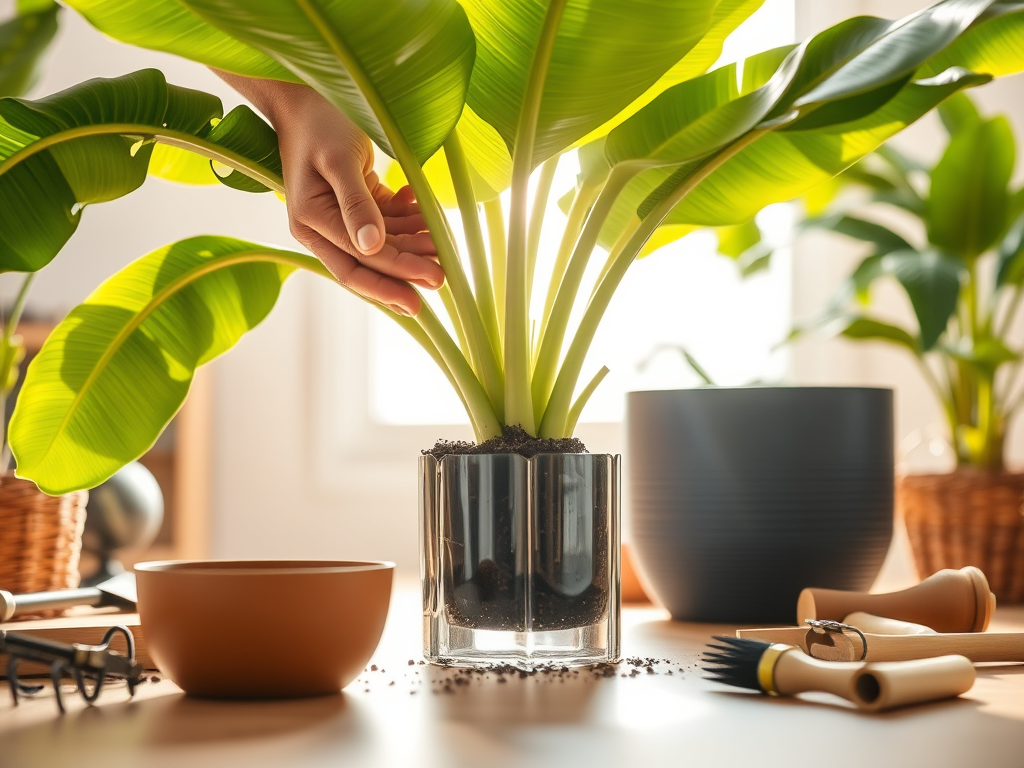
Step 4: Repot in Fresh Soil
- Tip the plant out of its old pot, gently loosen the roots, and shake off old soil.
- Rinse roots in lukewarm water to remove eggs and debris.
- Trim away any mushy, dead, or infested roots.
- Place the plant in a clean pot filled with fresh, moist potting mix.
- Water lightly to settle the soil—don’t overwater!
- Discard old soil and sanitize the old pot if you plan to reuse it.
Step 5: Recovery & Monitoring
- Place your repotted Chinese Evergreen in bright, indirect light.
- Maintain high humidity (50–60%) using a pebble tray or humidifier.
- Check weekly for new pests, sticky residue, or leaf damage.
- Hold off on fertilizer until you see new healthy growth—usually in 3–4 weeks.
- Resume normal watering once the top inch of soil feels dry.
- Celebrate every sign of new growth—your plant is on the mend!
Infographic: Rescue Plan Overview
Here’s a quick visual summary of the Repot Chinese Evergreen After Spider Mites: 5‑Step Rescue Plan. You can screenshot or print this for your plant-care station!

- Step 1: Isolate plant
(Protect others!) - Step 2: Prune & cleanse
(Remove infected leaves, rinse entire plant) - Step 3: Treat with soap
(Thorough application, repeat every 5–7 days) - Step 4: Repot in fresh soil
(Sterilize pot, use new mix) - Step 5: Recovery & monitor
(Humidity, light, patience!)
Care Calendar: Your Plant Recovery Schedule
| Week | Action | Goal |
|---|---|---|
| 1 | Isolate, prune, cleanse, treat with soap, repot | Remove pests, reduce stress, set clean foundation |
| 2 | Repeat soap/neem treatment, monitor humidity & light | Break pest cycle, support recovery |
| 3 | Inspect for pests, remove damaged leaves if needed | Ensure no relapse, encourage new growth |
| 4 | Resume light feeding (if healthy), regular watering | Boost regrowth, stabilize routine care |
| 5+ | Weekly checks, maintain humidity, ongoing care | Long-term health, pest prevention |
Print this care calendar and check off each action as you complete it. Consistency is key!
60-Second Video Script
Want to share your rescue journey or help a friend? Here’s a quick, engaging script for a 60‑second video or reel:
- Opening shot: Close-up on speckled leaves and fine webbing. “Spider mites got your Chinese Evergreen? Let’s fix it fast!”
- Step 1: “First, isolate your plant to protect the rest.” (Show plant being moved)
- Step 2: “Next, prune off the worst leaves and rinse the whole plant under lukewarm water.” (Show gentle rinsing)
- Step 3: “Spray every leaf and stem with insecticidal soap. Don’t forget the undersides!” (Show spraying and wiping)
- Step 4: “Now, repot in fresh, sterile soil. Use a clean pot!” (Show roots being rinsed, plant in new pot)
- Step 5: “Place in bright, indirect light. Keep humidity up and check weekly for pests. You’ve got this!” (Show healthy plant, smile, thumbs up)
- End: “Follow for more plant rescue tips!” (End on happy, healthy Chinese Evergreen)
Data Table: Chinese Evergreen Care Comparison
Here’s how Chinese Evergreen care changes before, during, and after a spider mite rescue. Adjust your routine at each stage for best results.
| Care Variable | Normal Care | During Spider Mite Rescue | Post-Rescue Recovery |
|---|---|---|---|
| Light | Bright indirect | Bright indirect, no direct sun | Bright indirect, increase gradually if needed |
| Water | Allow top inch to dry | Light, avoid soggy soil | Resume normal as new growth appears |
| Soil | Rich, well-draining | Fresh, sterile, well-draining | Continue with sterile mix, replace if needed |
| Humidity | 40–60% | 50–60% (critical to deter mites) | Maintain 50–60% |
| Fertilizer | Monthly during growth | Withhold (avoid stress) | Resume after new growth |
| Inspection | Monthly check | Weekly check (top/bottom leaves, stems) | Weekly/biweekly checks |
Troubleshooting: Common Issues After Repotting
Yellowing Leaves
Some leaf yellowing is normal after a stressful event like pest attack and repotting. If it continues for more than two weeks, reassess watering and light. Avoid direct sun, and water only when the top inch of soil is dry.
Wilting or Drooping
Wilting can result from root disturbance or transplant shock. Keep your plant in a humid, warm area and avoid overwatering. Roots need time to recover. Patience is key!
Pest Recurrence
If you spot new spider mite webs or damage, repeat insecticidal soap treatment. Double-check that you’re not reusing contaminated tools or pots, and consider increasing humidity further.
Stunted Growth
It’s normal for a Chinese Evergreen to “pause” after repotting. Once you see new leaves, you can resume gentle feeding. If stunting persists for over a month, review care variables and check for root rot or lingering pests.
Root Rot
Overwatering is the main culprit. Make sure your pot has drainage holes and never let the plant sit in soggy soil. Remove any mushy roots during repotting and use a well-draining mix.
FAQ
- How do I know if my Chinese Evergreen is free of spider mites?
- Check for clear, web-free leaves and no new speckling or sticky residue for at least two weeks. Use a magnifying glass to inspect undersides. Weekly monitoring is key.
- Can I reuse the old pot after repotting?
- Only if you’ve thoroughly cleaned and sterilized it. Spider mite eggs and pathogens can linger in nooks and crannies. Use a 10% bleach solution or boiling water for best results.
- Is neem oil safe for Chinese Evergreens?
- Yes, when diluted according to label instructions. Test on a small leaf first to check for any reaction. Avoid applying in direct sunlight to prevent leaf burn.
- How often should I repeat insecticidal soap treatments?
- Every 5–7 days for at least 2–3 weeks. This breaks the life cycle and catches any hatching eggs. Don’t forget to treat the stems and soil surface, too.
- When can I start fertilizing again?
- Wait until you see new, healthy leaves (usually 3–4 weeks after repotting). Start with a diluted, balanced fertilizer and gradually return to your normal feeding schedule.
- Will spider mites spread to my other houseplants?
- Yes, very easily! Always isolate the affected plant and check your other plants for early signs. Increase humidity to make your space less inviting to mites.
- What if my plant keeps losing leaves after rescue?
- Some leaf loss is normal. If it continues, check for root rot, overwatering, or lingering pests. Adjust care and be patient—Aglaonema can bounce back with time.
Related Categories