How to Create DIY Self‑Watering System Gardenia Like a Pro
Are you struggling to keep your gardenia happy indoors? You’re not alone. Indoor gardenias are famous for their gorgeous white blooms and glossy leaves, but they can be tricky—especially when it comes to watering. That’s why learning How to Create DIY Self‑Watering System Gardenia Like a Pro is such a game-changer!
This guide will walk you through an illustrated, step-by-step tutorial to build your very own self-watering system for gardenias. Whether you’re a city dweller with limited space or a budding gardener looking for low-maintenance solutions, you’ll find everything you need here—including a printable cheat-sheet, expert care tips, troubleshooting tricks, and answers to your biggest questions. Let’s make keeping your gardenia lush, fragrant, and healthy a whole lot easier!
Why DIY Self-Watering Systems for Gardenia?
Gardenias are beloved for their sweet scent and elegant look. But they can be drama queens—too much water, and their roots rot; too little, and the leaves yellow and drop. Indoor gardeners know the struggle of keeping the soil evenly moist, especially if you travel, forget, or just have a hectic schedule.
That’s where a DIY self-watering system shines. By using a reservoir and a wicking mechanism, your plant gets a steady, even supply of moisture. This means less guesswork, fewer droopy leaves, and more time enjoying those dreamy blooms. Plus, you’ll save water and avoid the hassle of daily watering. So, if you want to grow gardenias like a pro—even in a tiny apartment—this system is your secret weapon.
For more smart solutions like this, check out our Indoor Gardening and Plant Care Tips & Troubleshooting archives!
Supplies and Prep
Before you start, gather these materials. Most can be found at home improvement stores, garden centers, or even reused from your recycling bin!
- Two containers (one larger for the reservoir, one smaller for the plant; both should nest, with room between)
- Wicking material (cotton rope, thick yarn, or capillary matting)
- Potting mix (acidic blend, ideal for gardenias)
- Activated charcoal (optional, helps keep water fresh)
- Drill or sharp knife (to make holes in containers)
- Watering can
- Your gardenia plant
- Optional: Water level indicator (transparent straw or tube)
- Gloves and safety glasses (for drilling/cutting)
Tip: Always use gloves and eye protection when cutting or drilling plastic containers!
Step-by-Step Tutorial: How to Create DIY Self‑Watering System Gardenia Like a Pro
Ready to make your own self-watering system? Follow these steps and you’ll have a thriving gardenia with minimal fuss.
Step 1: Selecting the Right Container
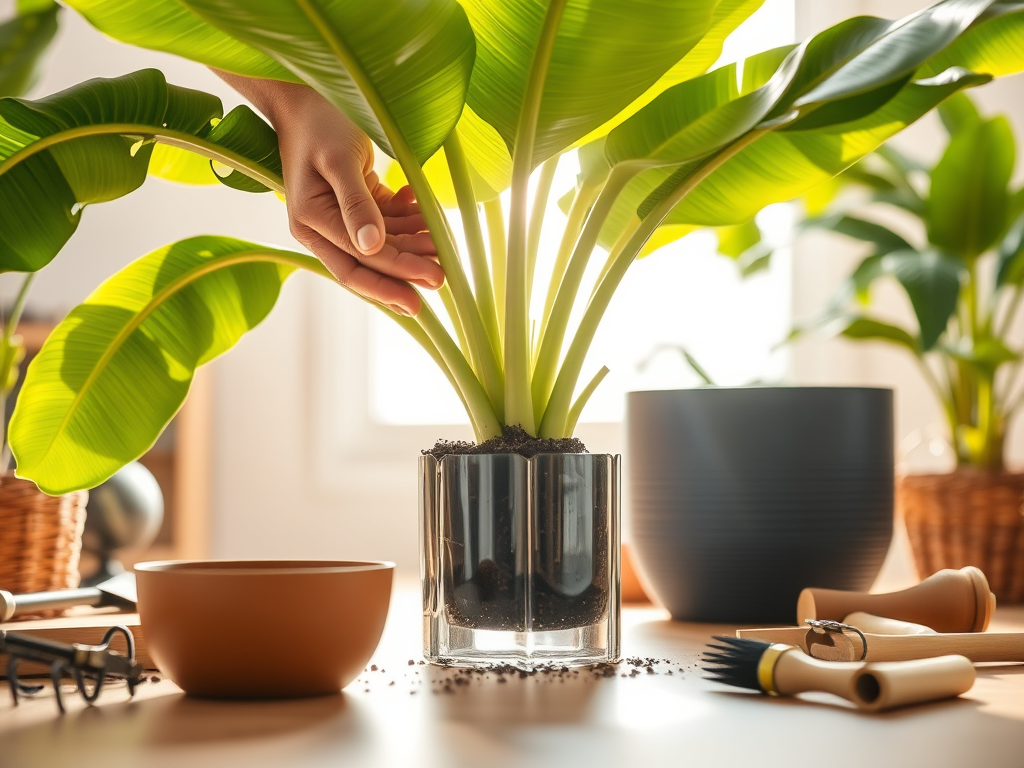
Choose two containers: one should fit inside the other, leaving at least a 2-inch gap at the bottom for water. The outer container acts as your water reservoir, while the inner holds the plant. Make sure the inner pot has drainage holes.
Clear or semi-clear outer pots are handy so you can see the water level at a glance.
Step 2: Setting Up the Reservoir
Drill or cut a hole at the base of the inner pot (about 1/2” wide) for the wick. Place a layer of activated charcoal at the bottom of the outer pot to prevent odors and mold—this is optional but recommended for indoor setups.
If you want to add a water level indicator, insert a clear straw or plastic tube vertically in the reservoir area.

Step 3: Preparing the Wicking System
Thread your wick (cotton rope or thick yarn) through the hole in the inner pot, leaving about 4-6 inches inside the pot and enough outside to reach the reservoir’s bottom. Wet the wick before inserting—it will start pulling up water right away.

The wick acts like a straw, drawing water upward into the potting mix as the plant’s roots need it.
Step 4: Potting Your Gardenia
Fill the inner pot with a high-quality, acidic potting mix (look for one labeled for azaleas or gardenias). Gently position your gardenia, fanning out the roots, and backfill with soil. Tuck the wick so it sits near the root ball, ensuring even moisture delivery.
Water the soil thoroughly from the top the first time to help the system get started. This also ensures the soil and wick are both moist.
Step 5: Testing and Adjusting
Nest the inner pot inside the reservoir. Fill the outer container with water (don’t cover the bottom of the inner pot entirely; leave some air space). Watch how quickly the water disappears over a few days—this tells you if your wick size is right.

Adjust the wick if needed: if the soil is soggy, use a thinner wick or less of it; if the soil is dry, try a thicker or doubled-up wick.
Refill the reservoir as needed—usually every 7–14 days, depending on plant size and indoor climate.
Troubleshooting Your DIY System
Even the best systems need tweaks! Here’s how to fix common problems with DIY self-watering setups for gardenia:
- Soil stays too wet: Check that your wick isn’t too thick or long. Consider using a soil with more drainage (add perlite or bark chips).
- Soil stays too dry: Wick may be too thin, short, or not fully touching the water. Try doubling up the wick or making sure it’s fully saturated.
- Algae or mold in reservoir: Clean out with a mild bleach solution and rinse well. Keep the reservoir out of direct sunlight, or paint/cover the outer pot.
- Yellow leaves, no flowers: May be a sign of overwatering, underwatering, or wrong soil pH. Test the moisture level and soil acidity. Adjust as needed.
- Wick gets clogged: Replace with fresh material; wash the system between uses.
More troubleshooting ideas can be found in Plant Care Tips & Troubleshooting.
Care Tips
- Always use acidic potting mix—gardenias need a pH of 5.0–6.0.
- Keep the self-watering reservoir filled, but avoid letting water touch the bottom of the inner pot directly.
- Flush soil with fresh water every month to prevent salt buildup.
- Clean the reservoir and wick every 2–3 months for best results.
- Place your gardenia in bright, indirect light for optimal blooms.
- Check for pests and yellowing leaves regularly—adjust water and light as needed.
- Fertilize with a gardenia-appropriate feed during the growing season.
Gardenia Care Data Table
| Variable | Ideal for Gardenia | Self-Watering System Notes |
|---|---|---|
| Light | Bright, indirect sunlight (4–6 hours/day) | Windowsill with filtered light is best. Avoid harsh midday sun. |
| Water | Consistent moisture; never soggy | Reservoir keeps roots moist but not wet; check weekly. |
| Soil | Acidic (pH 5.0–6.0), rich, well-draining | Use azalea/gardenia mix. Amend with perlite for drainage. |
| Humidity | 50–60% preferred | Group with other plants, use pebble trays, or mist occasionally. |
| Fertilizer | Monthly, acid-loving plant fertilizer | Feed during spring/summer; skip in winter. |
| Temperature | 18–24°C (65–75°F) daytime, 15–18°C (59–65°F) night | Keep away from cold drafts and heat vents. |
FAQ
- Can I use this self-watering system for other plants?
- Absolutely! This setup works for most indoor plants, especially those that like consistent moisture, like African violets or peace lilies. Just adjust the wick and soil for each plant’s needs.
- How often do I need to refill the water reservoir?
- Usually every 7–14 days, but it depends on your room’s humidity, temperature, and plant size. Check the reservoir weekly until you learn your gardenia’s rhythm.
- What if my gardenia’s leaves are turning yellow?
- Yellow leaves can signal overwatering, underwatering, or wrong soil pH. Double-check the moisture level, adjust your wick, and test the soil’s acidity.
- Can I use tap water in the reservoir?
- If your tap water is hard or alkaline, use distilled or rainwater instead. Gardenias are sensitive to salts and chlorine, which can cause leaf spots and stunted growth.
- Is a self-watering system better than regular watering?
- For busy gardeners or those prone to over/underwatering, yes! Self-watering keeps soil evenly moist, reduces stress, and helps prevent root rot. Just check the system regularly.
- How do I clean the reservoir and wick?
- Every 2–3 months, empty the reservoir, wash with mild soap or diluted bleach, and rinse thoroughly. Replace the wick if it looks dirty or clogged.
- What’s the best potting mix for gardenia in a self-watering system?
- Use a commercial azalea or gardenia soil mix. It should be acidic, airy, and well-draining. Mix in perlite or pine bark for extra drainage if needed.
Bonus: Printable Cheat-Sheet
Tape this on your fridge or pot! Here’s your quick reference for How to Create DIY Self‑Watering System Gardenia Like a Pro:
- Use two nested pots, wick, and an acidic mix.
- Thread wet wick through the inner pot into the reservoir.
- Pot your gardenia, tucking wick near roots.
- Fill the reservoir, but don’t flood the roots.
- Top-water once to start, then rely on the wick.
- Check water level weekly; refill as needed.
- Flush soil monthly; clean system every 2–3 months.
- Keep in bright, indirect light and feed monthly in spring/summer.
For more printable guides, visit Herb Gardening & Kitchen Herbs and Indoor Gardening.
A self-watering setup won’t just keep your gardenia thriving—it can save water, time, and frustration. Remember, How to Create DIY Self‑Watering System Gardenia Like a Pro is about working smarter, not harder. Happy growing!
If you love easy, low-maintenance plant care, explore our other resources in Indoor Gardening and Plant Care Tips & Troubleshooting.
References: University of Florida IFAS Extension, “Gardenia Growing in the Florida Landscape” [^1]