How to Balance Soil pH Pilea Peperomioides Like a Pro
How to Balance Soil pH Pilea Peperomioides Like a Pro is a skill every indoor gardener can master. If you’ve ever wondered why your Chinese Money Plant (Pilea peperomioides) just isn’t as happy or lush as you’d like, the answer might be right beneath your fingertips – in the soil pH! In this guide, you’ll discover step-by-step instructions, troubleshooting tips, and the science behind balancing soil pH for your Pilea, all in a friendly, easy-to-follow way.
Pilea peperomioides is a trendy houseplant known for its round, coin-shaped leaves and easy-going nature. But even the toughest plants can hit a wall if their soil isn’t just right. If your Pilea is looking droopy, yellowing, or growing slowly, it’s time to dig deeper and get to the root of the problem—literally! This guide will show you how to test, adjust, and maintain the perfect soil pH, so your Pilea can thrive, not just survive. Let’s get started and turn you into a true Pilea pro!
Care Tips
- Test your Pilea peperomioides soil pH every 2–3 months for optimal growth.
- Keep soil pH between 6.0 and 7.0 for best nutrient uptake.
- Use distilled or filtered water to avoid raising soil alkalinity.
- Amend acidic soil with dolomitic lime; treat alkaline soil with elemental sulfur.
- Repot every 1–2 years with fresh, pH-balanced potting mix.
- Watch for yellowing leaves—it’s often a sign of incorrect pH.
- Always follow up pH adjustments with a retest in two weeks.
Pilea Peperomioides Background: Why Soil pH Matters
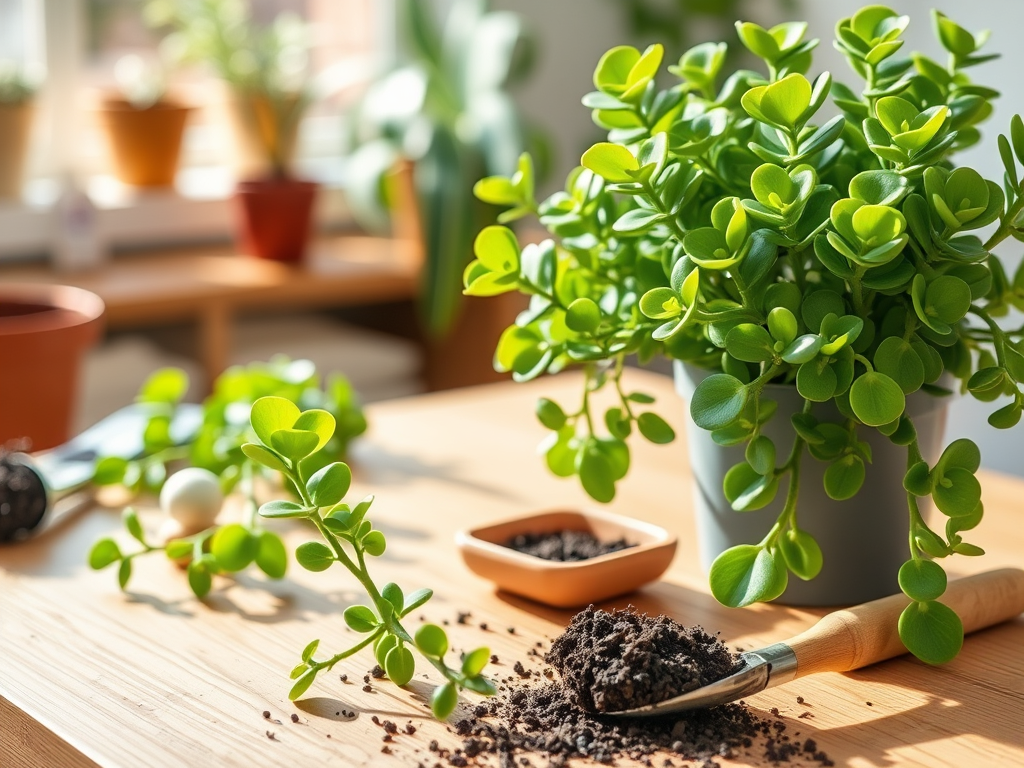
Pilea peperomioides, also called the Chinese Money Plant, UFO plant, or pancake plant, is famous for its quirky, round leaves and rapid growth. Originating from the cool, shaded forests of Yunnan, China, this plant is a natural star in bright, indirect light and well-draining soil. But here’s the thing: like most houseplants, Pilea is picky about its soil conditions, especially pH.
Soil pH measures how acidic or alkaline your potting mix is, on a scale from 0 (most acidic) to 14 (most alkaline), with 7 being neutral. Pilea peperomioides prefers a pH of 6.0–7.0, which is just slightly acidic to neutral. When the pH drifts too high or low, it blocks the plant from absorbing key nutrients like nitrogen, phosphorus, and potassium. Even if you’re fertilizing regularly, the wrong pH means your Pilea can’t access those nutrients—and you’ll see yellowing, stunted growth, or even leaf drop.
Indoor environments can throw pH levels off balance. Tap water, fertilizers, and even the breakdown of old potting soil can push the pH out of the safe range. That’s why learning How to Balance Soil pH Pilea Peperomioides Like a Pro is essential for every urban gardener!
What You’ll Need: Supplies & Photos
Before you get started, gather these easy-to-find supplies. Having everything ready will make the process smooth and stress-free.
- Soil pH test kit (digital meter, probe, or test strips)
- Distilled water (for testing and watering)
- Small trowel or spoon (for sampling soil)
- Clean container (for mixing soil and water)
- Soil amendments:
- Dolomitic lime (to raise pH/make soil less acidic)
- Elemental sulfur or aluminum sulfate (to lower pH/make soil more acidic)
- Fresh, all-purpose potting mix (pH 6.0–7.0)
- Gloves (optional, to protect your hands)
- Photos for reference (see below for visual steps)




How to Balance Soil pH Pilea Peperomioides Like a Pro: Step-by-Step
Ready to become a soil pH balancing pro? Follow these clear, actionable steps for a healthier, happier Pilea peperomioides. You’ll be amazed at the difference!
Step 1: Test Your Soil pH
Start by testing the current pH of your Pilea’s soil. This gives you a baseline so you know what, if anything, needs to be adjusted.
-
Collect a soil sample:
- Using a clean spoon or trowel, scoop out about 2 tablespoons of soil from around the roots (avoid the very top layer).
-
Mix and moisten:
- Place the soil in a clean container. Add an equal amount of distilled water to create a muddy slurry—about 1:1 ratio.
-
Test the pH:
- Insert the digital pH meter, probe, or test strip into the slurry, following your test kit’s instructions exactly.
- Wait for the reading (usually 1–2 minutes for strips, instantly for digital meters).
-
Record your result:
- Write down the soil pH. Remember, the sweet spot is 6.0–7.0!

Step 2: Interpret the Results
What does your soil test mean for your Pilea?
- pH below 6.0: Soil is too acidic. Your Pilea might show yellowing or curling leaves, slow growth, or leaf drop.
- pH above 7.0: Soil is too alkaline. You may see pale or mottled leaves and stunted growth.
- pH between 6.0 and 7.0: Perfect! No adjustment needed. Just keep monitoring every few months.
Don’t worry if your reading is off. Adjustments are simple—and you’ll be back on track in no time.
Step 3: Adjust the Soil pH
To Raise Soil pH (Make Less Acidic)
-
Add dolomitic lime:
- Sprinkle about 1 tablespoon of dolomitic lime per quart (liter) of soil for every 0.5 pH unit you want to raise.
- Mix gently into the top 2–3 inches of soil, being careful not to harm the roots.
-
Water in:
- Water the plant with distilled water to help the lime begin working.
- Wait at least two weeks and retest the pH. Repeat if necessary, but don’t overdo it—too much lime can swing the pH too far!
To Lower Soil pH (Make More Acidic)
-
Add elemental sulfur or aluminum sulfate:
- Sprinkle 1 teaspoon of elemental sulfur per quart (liter) of soil for every 0.5 pH unit you need to decrease. For aluminum sulfate, use the manufacturer’s instructions as it works faster.
- Mix gently into the top layer of soil. Avoid disturbing the roots.
-
Water in:
- Use distilled water to moisten the soil and activate the amendment.
- Retest the pH after two weeks. Repeat if needed, but don’t rush—changes take time!
If Soil pH Is Far Off (5.0 or 8.0+)
If your soil pH is way out of range, the best fix is to repot your Pilea in a fresh, high-quality potting mix labeled for houseplants (pH 6.0–7.0). This gives your plant a brand-new start and avoids the risks of repeated chemical adjustments.

Step 4: Monitor and Maintain
- Retest soil pH two weeks after any amendment.
- Continue testing every 2–3 months, especially after repotting, fertilizing, or using tap water.
- Be patient! pH shifts happen gradually and that’s safer for your Pilea.
- Log your results and any adjustments so you can spot trends or recurring issues.
With these steps, you’ll be balancing soil pH for your Pilea peperomioides like a true pro. Your plant will thank you with lush, green growth and those adorable, pancake-shaped leaves!
Troubleshooting Common Soil pH Problems
Even with the best intentions, things can go wrong. Here’s how to spot and solve common pH-related issues in your Pilea peperomioides.
Problem: Yellow or Pale Leaves
- Possible cause: Soil is too acidic or too alkaline, blocking nutrient uptake (especially iron and nitrogen).
- Solution: Test soil pH. Adjust with lime or sulfur as needed. Fertilize only after pH is balanced.
Problem: Brown Leaf Tips or Edges
- Possible cause: Watering with hard tap water, leading to alkaline buildup.
- Solution: Switch to distilled or filtered water. Amend soil to lower pH if necessary.
Problem: Slow Growth or Dropping Leaves
- Possible cause: Soil pH far outside 6.0–7.0 range, or compacted/old potting mix.
- Solution: Repot with fresh, pH-balanced soil. Check root health while repotting.
Problem: White Crust on Soil Surface
- Possible cause: Mineral salts from tap water or over-fertilization, often raising soil pH.
- Solution: Gently scrape away crust, flush soil with distilled water, and adjust pH as needed.
Problem: No Improvement After Adjustments
- Possible cause: Amendments not mixed in well, or underlying root rot.
- Solution: Mix amendments more thoroughly, or inspect and treat roots. Retest in a few weeks.
Pilea Peperomioides Care Data Table
| Care Variable | Optimal Range | Tips |
|---|---|---|
| Light | Bright, indirect sunlight | Rotate weekly for even growth; avoid harsh midday sun |
| Water | When top 1–2 inches of soil are dry | Water thoroughly, then let drain; avoid soggy soil |
| Soil | Well-draining, peat-free potting mix | Repot every 1–2 years; choose pH-balanced mix |
| Soil pH | 6.0–7.0 | Test every 2–3 months; adjust as needed |
| Humidity | 40–60% | Average indoor humidity is fine; avoid dry air |
| Fertilizer | Balanced liquid, monthly in spring/summer | Only fertilize when pH is within optimal range |
FAQ
- How often should I test the soil pH for my Pilea peperomioides?
- It’s a good idea to test every 2–3 months, and definitely after repotting, fertilizing, or noticing changes in your plant’s health.
- Is tap water safe for my Pilea peperomioides?
- Tap water can be alkaline or contain minerals that raise soil pH. Use distilled or filtered water to keep soil pH stable.
- What’s the ideal soil pH for Pilea peperomioides?
- The sweet spot is between 6.0 and 7.0. This range lets your plant absorb all the nutrients it needs for healthy growth.
- Can I use coffee grounds or vinegar to lower soil pH?
- It’s not recommended. These methods can be unpredictable and may harm your plant. Use elemental sulfur or a product specifically designed for acidifying soil.
- How do I know if my soil pH is off?
- Look for yellowing, wilting, or pale leaves, slow growth, or a white crust on the soil. Testing is the only way to be sure.
- What if I add too much lime or sulfur to my soil?
- Remove the top layer of soil, replace with fresh mix, and flush the pot with distilled water. Monitor your plant closely and avoid further amendments until the next test.
- Can fertilizing change my soil pH?
- Yes, especially if you use fertilizers with high ammonium or urea content, which can acidify soil over time. Test regularly to catch any shifts early.
Related Reading
- Indoor Gardening
- Plant Care Tips & Troubleshooting
- Herb Gardening & Kitchen Herbs
- Small Space Gardening
Learning How to Balance Soil pH Pilea Peperomioides Like a Pro isn’t just about following a set of rules. It’s about observing your plant, understanding its needs, and responding with care. By keeping your soil pH in the ideal range, you’ll unlock your Pilea’s true potential—lush leaves, strong growth, and maybe even those cute little “pups” popping up around the base!
If you’re hungry for more plant wisdom, check out the rest of our indoor gardening and plant care guides. Happy growing!