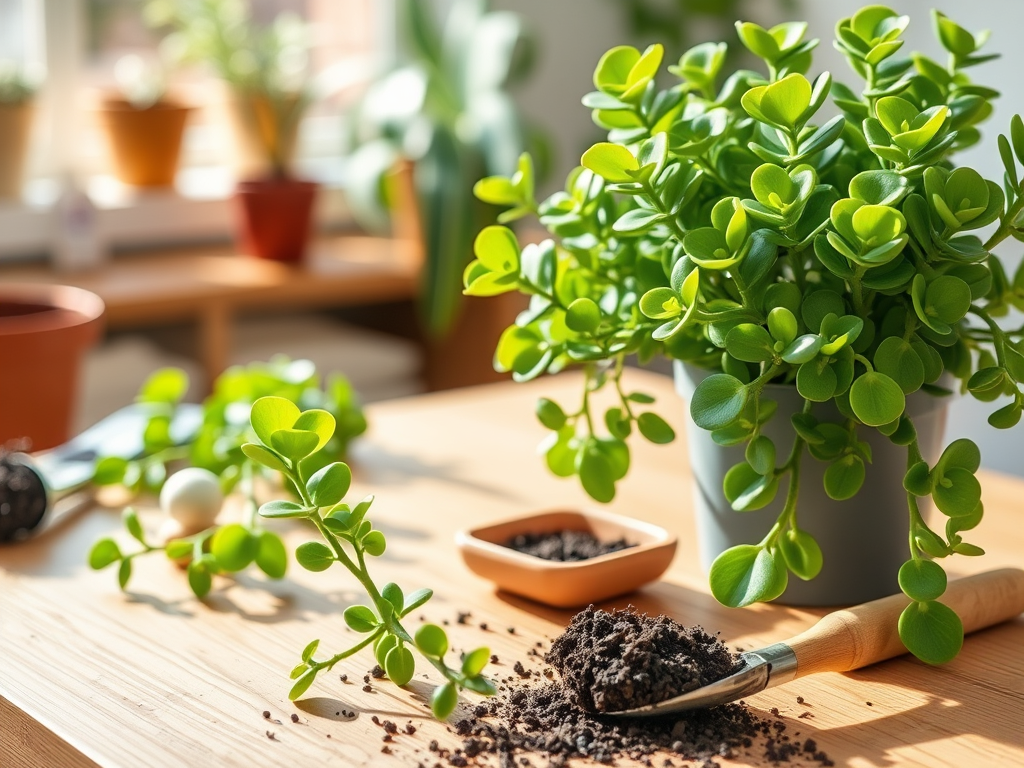
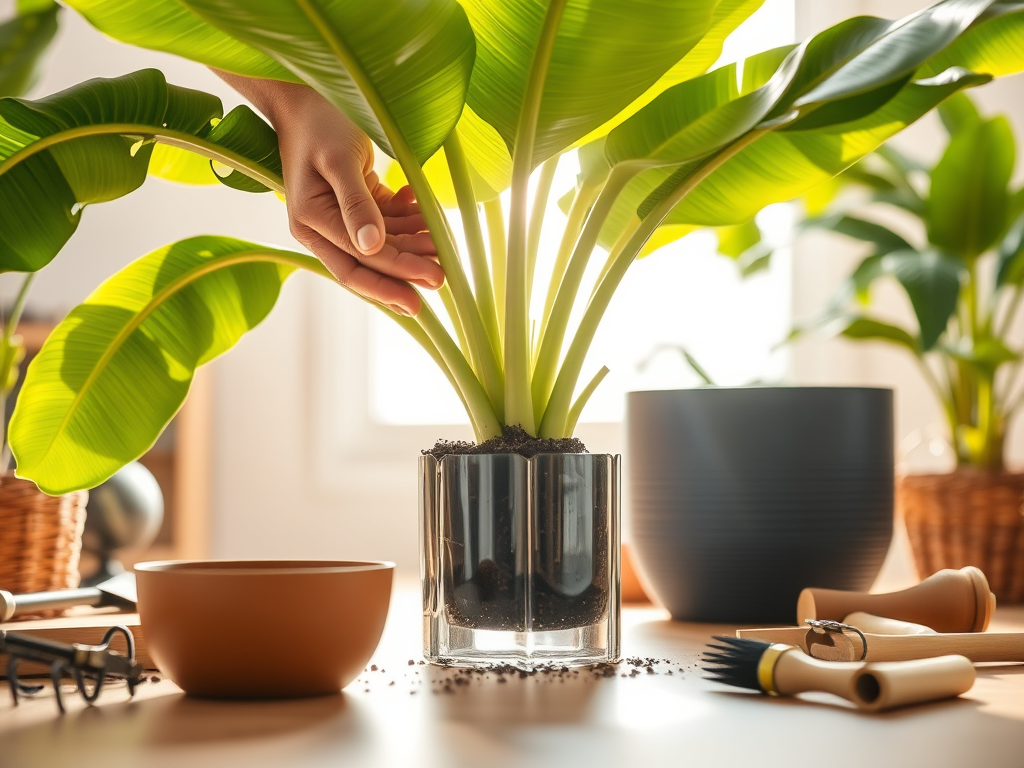
Ever wondered how you can make the most out of your little patio, windowsill, or balcony? Companion Planting in Small Containers is a fun, effective way to grow more food and healthier plants, even when you don’t have much space. This guide will walk you through the best plant pairings—like classic basil and tomatoes—choosing the right pots, and how to arrange everything so your plants help each other out. Whether you’re a beginner or a houseplant pro, there’s something here for you!
In a world where space is at a premium, especially for city dwellers or those with cozy homes, learning how to combine plants strategically in the same pot is a skill worth mastering. Companion planting isn’t just for big garden beds; it works beautifully in small containers too! Let’s dive into the world of thriving mini-gardens, and discover how you can turn your limited space into a lush, productive oasis—all with the right combinations and a little know-how.
Background: What is Companion Planting?
Companion planting is the practice of growing different plants together so they can help each other out. Some plants boost growth, keep pests away, or improve flavors when they’re close to certain neighbors. You’ve probably heard about the famous combo of basil and tomatoes—but did you know there are loads of other dynamic duos (and trios) that work well even in small containers?
This method has its roots in traditional agriculture. Native American “Three Sisters” gardens, where corn, beans, and squash were planted together, is a classic example. The idea is simple: let plants do what they do best, together. In modern urban gardening, companion planting works just as well on a windowsill or balcony as it does in a big backyard. The trick is choosing the right partners and making sure they have enough room to grow.
Want to dig deeper into the theory? According to researchers at Cornell University, companion planting can reduce pest populations and improve yields in small-scale gardening[^1].
Why Try Companion Planting in Small Containers?
- Space-saving: Growing two or more plants in a single pot lets you harvest more from less space.
- Natural pest control: Some plant combinations repel insects, reducing the need for chemicals.
- Flavor and growth boosts: Certain herbs, like basil, can actually make tomatoes taste sweeter and grow better.
- Attractive displays: Mixing colors, shapes, and heights creates lush, beautiful containers for your home or balcony.
- Soil and nutrient sharing: Some plants complement each other’s root systems, making better use of limited soil.
And the best part? You don’t need a big backyard or fancy tools. All you need is a few pots, the right mix of plants, and a little patience. For more inspiration, check out our Indoor Gardening category.
Supplies: What You’ll Need
- Containers: Pots with drainage holes, ideally 8–12 inches deep for most pairings.
- Potting mix: High-quality, well-draining soil designed for container gardens.
- Seeds or seedlings: Choose pairs or trios known to be good companions (see below).
- Watering can or spray bottle: For gentle, even watering.
- Fertilizer: Balanced, slow-release fertilizer or organic compost for long-term nutrition.
- Labels: To keep track of what you’ve planted!
Tip: You don’t need fancy containers. Repurposed buckets, window boxes, or even large food cans can work—just make sure they have drainage holes.
Best Plant Pairings for Small Pots
Not every plant gets along. Some combinations thrive, while others struggle. Here are some tried-and-true companion pairs—and even trios—that do especially well in small containers:
- Tomato & Basil: The classic! Basil repels tomato hornworms and can improve tomato flavor. Use a 10–12 inch deep pot.
- Carrot & Chives: Chives help repel carrot flies; their roots don’t compete much. Use a 10-inch deep container.
- Lettuce & Radish: Radishes grow quickly and help loosen soil for lettuce roots. An 8–10 inch pot is sufficient.
- Spinach & Strawberries: Strawberries shade spinach roots, keeping them cool. Use a wide pot, 8–10 inches deep.
- Peppers & Oregano: Oregano acts as a living mulch, reducing weeds and keeping soil moist. Use a 10-inch deep pot.
- Cucumber & Dill: Dill attracts pollinators and beneficial insects for cucumbers. Go for a 12-inch deep pot.
- Bean, Nasturtium & Marigold: Beans fix nitrogen. Nasturtiums and marigolds deter aphids and beetles. Use a 12-inch pot.
Looking for more ideas? Our Herb Gardening & Kitchen Herbs archive is packed with great combinations for indoor and balcony gardens!
Pot Sizes & Spacing Tips
Container Size Guidelines
- Herbs only: 6–8 inch pots for single herbs, 10–12 inch for mixed herbs.
- Leafy greens (lettuce, spinach): 8–10 inch deep, wide pots for small clusters.
- Root crops (carrots, radishes): 10–12 inch deep pots so roots can develop.
- Fruiting plants (tomatoes, peppers): At least 10–12 inches deep and wide, ideally 12–14 inches for combos.
Spacing for Mutual Benefits
Plants need enough space for roots and leaves. Here’s a cheat sheet for some common pairings:
- Tomato & Basil: Place basil 5–6 inches from the base of the tomato plant.
- Carrot & Chives: Scatter chives around the edge; plant carrots 2–3 inches apart.
- Lettuce & Radish: Alternate seeds in staggered rows, 2 inches apart.
- Spinach & Strawberries: Plant spinach between strawberry plants, about 4 inches apart.
- Peppers & Oregano: Place oregano around the perimeter, peppers in the center.
If in doubt, err on the side of giving plants a bit more room. Overcrowding can lead to poor air circulation and more disease.
Step-by-Step: Setting Up Your Companion Container
Step 1: Choose Your Companions
Pick plant pairs or trios that have similar light and water needs. For example, tomatoes and basil both love sun and regular moisture. Avoid mixing plants that need dry soil with those that like it wet.
Step 2: Select the Right Container
Use a pot that’s deep and wide enough for all plants’ mature roots. Check the table below for recommended sizes. Make sure your container has drainage holes.
Step 3: Fill with Quality Potting Mix
Use a fresh, high-quality potting mix. Avoid garden soil, which can be too dense for containers and may harbor pests.
Step 4: Plant and Space Correctly
Moisten the soil, then plant your seedlings or seeds according to guidelines above. Gently firm the soil around each plant and water thoroughly.
Step 5: Place and Water
Put your container in the sunniest spot available for sun-loving combos. Water when the top inch of soil feels dry. Feed with diluted fertilizer every 2–4 weeks, or as recommended for your plant mix.
Step 6: Monitor and Maintain
Watch for pests, yellowing leaves, or crowding. Trim back faster-growing plants if needed, and harvest regularly to keep your mini-garden healthy and productive.
Care Tips
- Choose companion pairs with similar light and water needs for best results.
- Use containers at least 10–12 inches deep for most plant duos.
- Leave 4–6 inches between different plants to avoid root competition.
- Water consistently, but don’t let pots get soggy—good drainage is essential!
- Feed with a balanced, slow-release fertilizer every few weeks.
- Rotate your pots every week for even sun exposure.
- Pinch or trim herbs like basil to keep them bushy and prevent flowering.
Container Companion Planting Data Table
| Pairing | Light Needs | Water Needs | Soil Type | Min. Pot Size | Spacing | Bonus Benefit |
|---|---|---|---|---|---|---|
| Tomato & Basil | Full Sun (6–8 hrs) | Moderate | Rich, Well-drained | 12″ deep, 12″ wide | 6″ apart | Improves flavor, repels pests |
| Carrot & Chives | Full Sun | Moderate | Loose, Sandy | 10″ deep, 10″ wide | 2–3″ apart | Chives deter carrot fly |
| Lettuce & Radish | Partial to Full Sun | Frequent, Light | Moist, Loamy | 8″ deep, 10″ wide | 2″ apart | Radish loosens soil |
| Spinach & Strawberries | Full Sun | Moderate | Rich, Well-drained | 8″ deep, 12″ wide | 4″ apart | Shades soil, saves water |
| Peppers & Oregano | Full Sun | Moderate | Loamy, Fertile | 10″ deep, 12″ wide | 6″ apart | Oregano as living mulch |
| Cucumber & Dill | Full Sun | High | Moist, Well-drained | 12″ deep, 14″ wide | 8″ apart | Attracts pollinators |
| Bean, Nasturtium & Marigold | Full Sun | Moderate | Rich, Well-drained | 12″ deep, 12″ wide | 6–8″ apart | Pest deterrent, nitrogen fixer |
Troubleshooting: Common Issues
Problem 1: Plants Look Crowded or Stunted
This usually means your container is too small or plants are too close together. Thin out seedlings or upgrade to a bigger pot. Always follow spacing guidelines to ensure good airflow and strong roots.
Problem 2: Yellowing Leaves
Yellow leaves can mean overwatering, underwatering, or nutrient deficiency. Check soil moisture and adjust watering. If needed, feed with a balanced fertilizer or compost tea.
Problem 3: Pest Problems
Companion planting helps, but sometimes pests still sneak in. Remove affected leaves, spray with a gentle insecticidal soap, and keep your container clean. Adding marigolds or nasturtiums can help deter aphids and beetles.
Problem 4: Fungal Diseases
Poor air circulation or overly wet soil can cause mildew or rot. Space plants properly and never let pots sit in water. Water in the morning so leaves dry by nightfall.
Problem 5: One Plant Takes Over
Herbs like mint or aggressive veggies can crowd out neighbors. Choose slower-growing or bush varieties, and pinch back fast growers regularly.
For more troubleshooting solutions, visit our Plant Care Tips & Troubleshooting category.
FAQ
- Can I do companion planting in really small pots?
- Yes, but choose compact plants like herbs or small greens, and stick to two per pot. Larger combos need bigger containers for healthy growth.
- How often should I water my companion container?
- Check daily. Most combos need water when the top inch of soil is dry. Avoid overwatering—roots can rot in soggy soil.
- Do all plant pairs work well together?
- Nope! Some plants compete for nutrients or have different water needs. Always check compatibility before planting together.
- Why are my plants growing slowly?
- It could be too little light, not enough nutrients, or overcrowding. Make sure your plants get at least 6 hours of sun and aren’t too close together.
- Can flowers be good companions in veggie pots?
- Absolutely! Flowers like marigolds and nasturtiums repel pests and attract pollinators, making them perfect for mixed containers.
- What’s the best soil for companion planting in small containers?
- Use a high-quality, well-draining potting mix rich in organic matter. Avoid using heavy garden soil in pots.
- How do I harvest without hurting my companion plants?
- Harvest outer leaves or stems first, use clean scissors, and always support the plant as you cut. This keeps the roots and remaining plant healthy.
Want to learn more about indoor gardening and creative plant pairings? Explore our Indoor Gardening and Herb Gardening & Kitchen Herbs sections for more!
Ready to create your own lush, thriving mini-garden? Companion Planting in Small Containers is a rewarding, space-saving way to boost your harvest, keep pests at bay, and add green beauty to your home. Try a few combinations, experiment with pot sizes, and see what works best in your unique space. Happy planting!
This guide is based on current best practices and research in horticulture. For more in-depth info, see the Cornell University Vegetable Growing Guides and other academic resources.[^1]
[^1]: Cornell University: Companion Planting Myths & Magic