Welcome to the Beginner’s Blueprint for Zen Minimalist Terrariums! Maybe you’re craving a touch of nature in your small apartment, or you want a peaceful, modern plant display to spark calm on your desk. Either way, learning how to create a zen minimalist terrarium is the perfect place to begin.
This easy-to-follow blueprint breaks down all the basics: which tools you need, a step-by-step assembly process, and troubleshooting tips for common beginner mistakes. With a little guidance and some creative fun, you’ll soon have your own tiny indoor oasis—simple, beautiful, and soothing for the soul. Let’s get started on your journey to zen and minimalism, right at home!
What is a Zen Minimalist Terrarium?
A Zen minimalist terrarium is a small, self-contained garden that blends clean lines, open space, and calming aesthetics. Inspired by Japanese Zen gardens, these terrariums focus on simplicity and balance. Think of just a few carefully chosen plants, smooth stones, perhaps a bit of sand, and lots of negative (empty) space to create a peaceful vibe.
Unlike lush, crowded terrariums, the Zen minimalist style celebrates restraint. You’ll use the “less is more” philosophy, highlighting each plant or object’s unique beauty without clutter. This makes it ideal for beginners, since it’s easy to care for and assemble, and it fits perfectly in small spaces—desks, shelves, or even bedside tables.
Why Choose Zen Minimalism?
Choosing Zen minimalism for your first terrarium has lots of perks. It’s not just about the look—although, let’s be honest, that sleek, serene vibe is hard to beat. Here’s why so many beginners fall in love with Zen minimalist terrariums:
- Low Maintenance: Fewer plants and simple design mean less work and fewer watering worries.
- Stress Relief: The uncluttered arrangement can help you feel calmer and more focused, just like a mini meditation garden.
- Fits Anywhere: You don’t need a giant space or lots of light—a Zen terrarium can thrive almost anywhere indoors.
- Beginner-Friendly: With fewer elements, there’s less that can go wrong. It’s perfect for first-timers who want a quick win and confidence boost.
- Design Flexibility: You can swap out elements, add a rock or a small sculpture, or even change the sand color to refresh your look.
This Beginner’s Blueprint for Zen Minimalist Terrariums will help you get started with confidence and creativity.
Supplies and Tools: The Essentials
Before you can build your Zen oasis, you’ll need to gather a few simple supplies. Don’t worry—it’s not a long list, and most items are easy to find at garden stores or online. Here’s what you’ll need:
- Clear Glass Container: Open bowls, cubes, or cylinders are best. Avoid containers with lids for most Zen terrariums, since airflow keeps things healthy.
- Small Plants: Choose slow-growing, low-maintenance plants. Popular picks include succulents, air plants (Tillandsia), moss, or tiny ferns. Pick just 1–3 for a minimalist look.
- Drainage Material: Pebbles, small stones, or gravel go at the bottom to help water drain away from roots.
- Charcoal: A thin layer of activated charcoal keeps the terrarium fresh and prevents odors.
- Potting Mix: Use cactus/succulent mix for dry-loving plants or a light, fast-draining soil for moss and ferns.
- Decorative Touches: Smooth river rocks, sand, or a single piece of driftwood. Stick to natural, simple accents to keep it Zen.
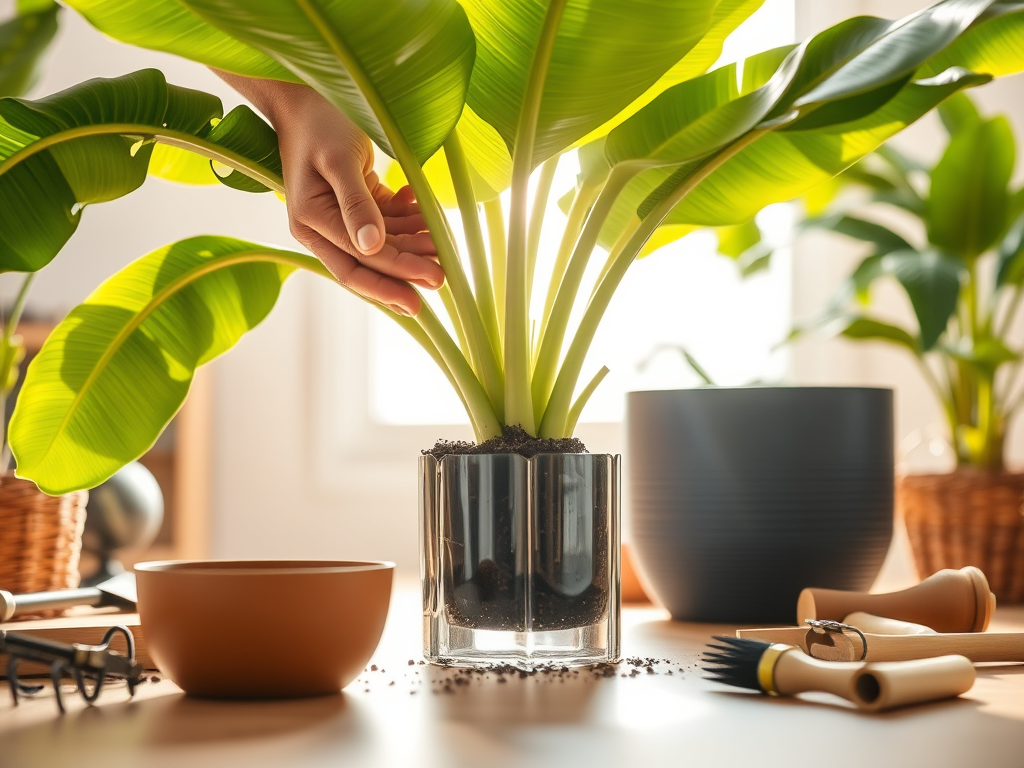
- Basic Tools: Long tweezers, a spoon, a small brush, and a spray bottle for misting.
- Optional: A chopstick or bamboo skewer for arranging small items, and gloves if you’re handling prickly plants.
With these basics, you’re ready to assemble your first Zen minimalist terrarium. Just remember, you can always start small—one plant, one rock, lots of calm.
Step-by-Step Assembly Guide
Ready to build your peaceful sanctuary? Follow this step-by-step blueprint, and soon you’ll have a lovely Zen minimalist terrarium to brighten your space and your mood.
Step 1: Choose Your Container
Select a clear glass container. Open-topped bowls or cubes work best, as they keep air circulating and reduce mold risk. The shape is up to you—just make sure there’s enough room for a layer of stones, soil, and your plant(s) without feeling crowded. A container 4–8 inches wide is perfect for beginners.
Step 2: Select Your Plants
For a true Zen feel, stick with just one or two plants. Look for slow growers that don’t need much water or fuss. Here are three beginner favorites:
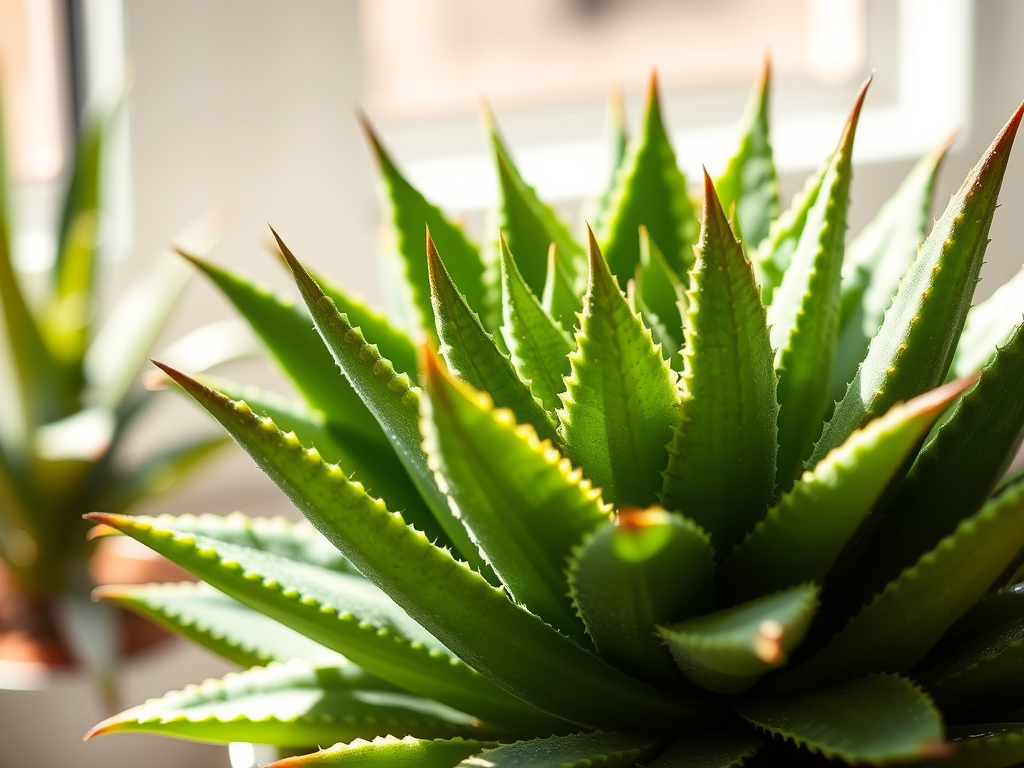
- Haworthia: A small, spiky succulent that thrives on neglect and loves bright, indirect light.
- Air Plant (Tillandsia): Needs no soil—just rests on top of rocks or sand. Mist it weekly and give bright, filtered light.
- Moss: Soft, lush, and perfect for shaded spots. Mist to keep it moist, and avoid direct sun.
For a minimalist look, choose plants with interesting shapes or soothing green shades, and avoid anything that will grow too big for your container.
Step 3: Layering Basics
- Start with Pebbles or Gravel: Pour a 1-inch layer at the bottom for drainage.
- Add Activated Charcoal: Sprinkle a thin layer on top of the pebbles (about ¼ inch) to keep things fresh.
- Potting Mix: Add 1–2 inches of soil, enough to anchor your plant’s roots. For succulents, use a cactus mix; for moss, a light, moisture-retaining soil.
- Place Your Plant(s): Make a small hole in the soil, gently tuck in your plant, and press the soil around it. For air plants, simply place on top of rocks or sand.
- Decorate Sparingly: Add 1–2 smooth stones, a pinch of sand, or a single small sculpture. Leave lots of empty space to achieve that Zen look.
Step 4: Arrangement Tips: Achieving Zen Balance
- Follow the “odd number rule”—arrange objects in groups of 1 or 3 for a natural look.
- Leave space around each element. Negative space is just as important as the objects you place.
- Use a chopstick or tweezers to nudge stones or plants into position without disturbing the arrangement.
- Keep decorations simple: a single stone, a curled twig, or a tiny sand patch is enough.
- Step back and view your terrarium from all angles. Adjust until it feels peaceful and balanced.
Take your time—it’s not a race. Building a Zen minimalist terrarium is as much about enjoying the process as the finished result.
Care Tips
- Place your terrarium in bright, indirect light; avoid direct sun that can scorch plants or overheat glass.
- Water sparingly—succulents need water every 2–3 weeks, while moss prefers a light mist every few days.
- Wipe condensation from the glass to prevent mold and keep the view clear.
- Check soil moisture before watering; dry is better than soggy for most Zen plants.
- Remove dead leaves quickly to prevent rot and pests.
- Rotate your terrarium every week to keep plant growth even and balanced.
- Clean the glass gently with a soft cloth to maintain that crisp, minimalist look.
Troubleshooting for Beginners
Don’t worry if your first terrarium isn’t perfect. Even seasoned gardeners run into a few hiccups! Here’s how to spot and fix the most common beginner problems:
Common Issues and Easy Fixes
- Foggy Glass: Too much condensation means excess moisture. Remove the lid (if you have one), wipe the glass, and let it air out for a day.
- Mold or Fungi: Remove dead plant matter, reduce watering, and increase airflow. Adding a bit more charcoal can help absorb odors.
- Wilting or Yellowing Plants: Usually a sign of overwatering or poor drainage. Check that your pebbles/charcoal layer is thick enough, and let the soil dry before watering again.
- Pests: Rare in minimalist terrariums, but if you spot tiny bugs, remove the plant, rinse roots, and replace the soil if needed.
- Plant Outgrowing Space: Prune gently, or swap in a slower-growing plant to keep things tidy.
When to Replant or Refresh
Even the calmest Zen terrariums need a refresh now and then. If your plant looks tired, the soil smells funky, or the arrangement no longer feels balanced, it’s time to replant. Simply remove your plants and decorations, replace the soil and charcoal, and start again. This is a great chance to experiment with new elements or layouts.
If a plant dies, don’t worry—it happens to everyone! Try a hardier variety next time, or switch to air plants or moss for extra ease. The beauty of the Zen minimalist approach is that it’s always evolving, just like you.
Plant Care Comparison Table
| Plant | Light | Water | Soil Type | Special Notes |
|---|---|---|---|---|
| Haworthia | Bright, indirect | Every 2–3 weeks | Cactus/succulent mix | Very forgiving; avoid overwatering |
| Air Plant (Tillandsia) | Bright, filtered | Mist weekly | No soil; sits on rocks/sand | Remove to soak in water every 1–2 weeks |
| Moss | Low to medium, indirect | Mist every 2–3 days | Moist, airy soil | Keep away from direct sun; loves humidity |
| Mini Fern | Medium, indirect | Weekly, keep moist | Peat-based, well-draining | Do not let dry out; sensitive to drafts |
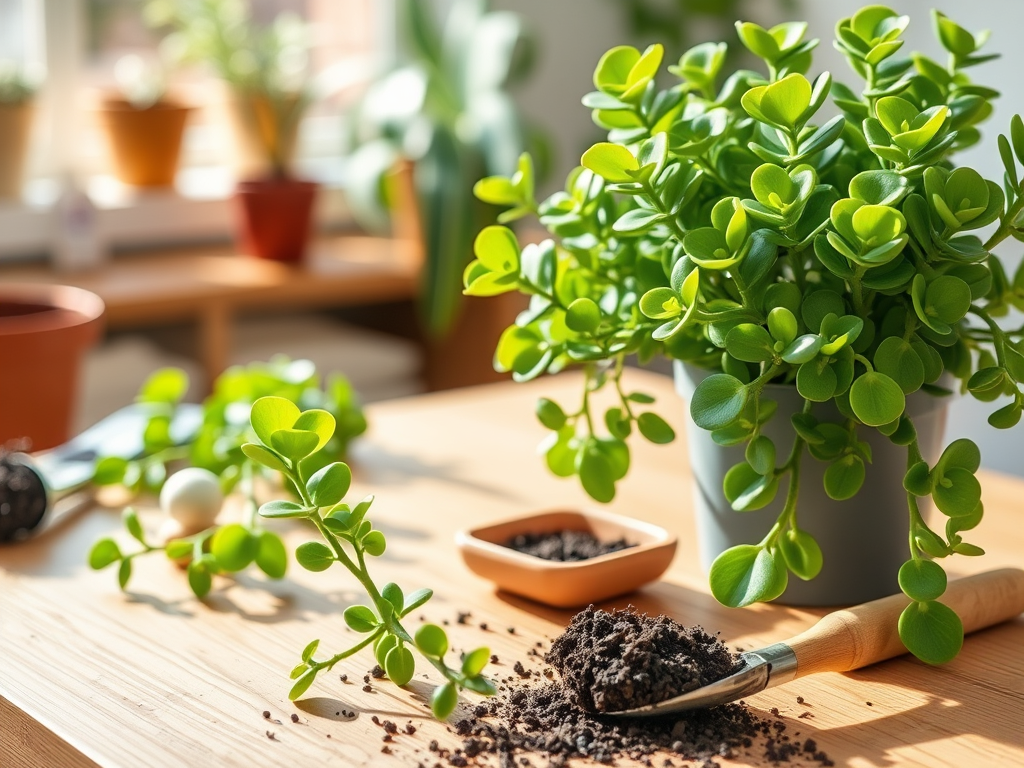
| Jade Plant | Bright, indirect | Every 2–3 weeks | Cactus/succulent mix | Prune to shape; avoid soggy roots |
FAQ
- What makes a terrarium “Zen minimalist”?
- Zen minimalist terrariums use very few plants and decorations, focusing on calm, open space and simple materials. It’s all about balance, restraint, and peaceful energy.
- Which plants are best for a beginner’s Zen minimalist terrarium?
- Haworthia, air plants, and moss are top picks. They’re slow growers, easy to care for, and fit the clean, uncluttered style perfectly.
- How much sunlight does a Zen terrarium need?
- Most Zen minimalist terrariums prefer bright, indirect light. Direct sun can overheat the glass or scorch leaves, so place yours near a window but out of harsh rays.
- How often should I water my terrarium?
- Succulents and jade plants need water every 2–3 weeks. Moss and ferns like more frequent misting—every few days. Always check soil moisture before watering.
- What if my terrarium gets moldy?
- First, remove any dead leaves or debris. Cut back on watering and increase air circulation. Adding a bit more charcoal can also help keep things fresh.
- Can I keep my Zen minimalist terrarium in my office or bedroom?
- Absolutely! Just make sure there’s adequate light and avoid placing it too close to heat vents or air conditioners.
- How do I keep my terrarium looking balanced and peaceful?
- Leave plenty of empty space, use simple decorations, and arrange items in odd numbers for a natural, harmonious feel. Less is more!
Looking for more inspiration? Check out Indoor Gardening for creative plant projects, or dive into Herb Gardening & Kitchen Herbs if you want to grow edible greens. And if you ever hit a snag, our Plant Care Tips & Troubleshooting section is your go-to resource for answers and expert advice.
Want to go even deeper? The Beginner’s Blueprint for Zen Minimalist Terrariums is just the start of your indoor gardening journey. As you gain experience, try experimenting with new plant combinations, adding small water features, or even creating a series of terrariums in different styles. The principles of Zen—simplicity, balance, and mindfulness—will help you not just in your plant care, but in your daily life as well.
If you’d like to learn more about the science behind terrariums and their ability to improve indoor air quality, check out this excellent resource from the Royal Horticultural Society.[1]